
New standardised, contemporary strain panels address a long-standing barrier in AMR research
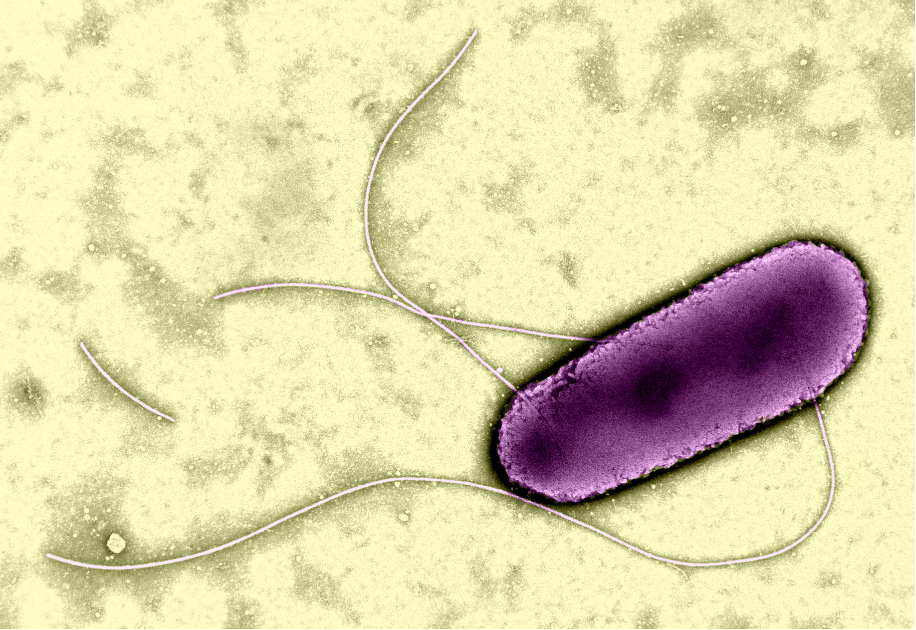
Image: Coloured TEM (Transmission Electron Microscope) image of E. coli provided by UKHSA. UKHSA/Science photo library joint copyright.

PACE (Pathways to Antimicrobial Clinical Efficacy) and the UK Health Security Agency (UKHSA) have released five new contemporary antimicrobial resistance (AMR) strain panels, giving innovators worldwide a resource to test novel therapeutics and diagnostics against today’s resistance patterns.
As AMR continues to threaten the effectiveness of existing antimicrobial treatments, there is an urgent need for new diagnostics and therapeutics. But resistance mechanisms evolve quickly, meaning diagnostics and therapeutics developed using older reference strains may not be effective against the resistant bacteria currently circulating today.
To know whether a new diagnostic or therapeutic is likely to work in the real world, developers can test it against a strain panel: a curated, standardised set of bacterial isolates that demonstrate multiple mechanisms of antimicrobial resistance. Contemporary panels of this kind are in short supply, and until now, very few collections represent the range of resistance types found in Gram-negative bacteria. The few suitable collections that do exist are often tied to specific institutions, with access potentially requiring lengthy legal agreements before research can begin.
The new panels help address this gap. Developed through a collaboration between PACE (a partnership between Innovate UK, LifeArc, and Medicines Discovery Catapult), UKHSA and its AMRHAI (Antimicrobial Resistance and Healthcare Associated Infections) reference unit, the five panels comprise 145 bacterial strains isolated within the last five years. They cover the World Health Organization’s Bacterial Priority Pathogens List (BPPL), the 2024-prioritised Gram-negative pathogens and clinically important, high-burden infection indications, including urinary tract infections (UTI), bloodstream infections (BSI) and lower respiratory tract infections (LRTI).
Although the strains are from the UK, they have been selected to reflect major problematic resistance types seen globally.
By making these strains available as a common reference resource, the panels provide researchers with a more representative picture of the resistance seen in clinical settings today, helping to reduce uncertainty and risk in therapeutic and diagnostic development.
The strains also come with detailed supporting information, including antibiotic susceptibility profiles, whole-genome sequences, important resistance genes, and information about where and how they were isolated. This data is accessible without an institutional agreement, giving researchers a well-characterised, contemporary set of strains that reflects the diversity of AMR mechanisms they need to address.
The panels are already being used to test the antimicrobial assets of PACE-funded projects, and a co-authored academic paper on their development will be published as a preprint ahead of peer review.
Professor Mark Sutton, Scientific Leader for Antimicrobial Resistance at UKHSA, said:
“Antimicrobial resistance is one of the most significant threats to global health, and the pace of innovation in new therapeutics and diagnostics needs to keep up with the speed at which resistance evolves.
This collaboration between PACE and UKHSA’s AMRHAI reference unit and Open Innovation in AMR platform has produced 145 contemporary bacterial isolates, now available through our National Collection of Type Cultures. These panels give researchers a resource that reflects the resistance patterns we’re seeing in clinical settings today, closing a longstanding gap in available research tools and helping them develop more effective therapeutics and diagnostics more quickly.”
Dr Beverley Isherwood, Strategy Leader – Infectious Diseases, Medicines Discovery Catapult and PACE Programme Director, said: “Access to consistent, contemporary strain panels has long been a barrier for AMR innovators, particularly smaller companies who don’t have the resources to secure them independently. Working with UKHSA, we have been able to draw on world-class UK infrastructure to remove that barrier for innovators globally, not just the teams PACE supports directly.”
Professor Jon Sayers, Principal Investigator, University of Sheffield, said: “The PACE-UKHSA collaboration has given access to a much wider range of strains against which we’ve been able to test our compounds. The impact of that has been invaluable to our project. We’ve been able to test our compounds against additional organisms, and we are excited by the results we are seeing from that.”
The panels are available now through the UKHSA’s National Collection of Type Cultures catalogue and can be purchased as individual isolates or complete panels.
Image: Coloured TEM (Transmission Electron Microscope) image of E. coli provided by UKHSA. UKHSA/Science photo library joint copyright.